


Best Sports Apparel Brands for Comfort: 2026 Guide
Table of Contents
- What Makes Sports Apparel Comfortable: Key Features to Evaluate
- Breathable Fan Apparel Fabrics: What to Look For
- Top Sports Apparel Brands for Comfort Ranked
- Comfortable Game Day Outfit Ideas for Every Fan
- Sensory-Friendly Sports Apparel: A Feature Competitors Overlook
- Choosing Soft Infant Sports Apparel for Your Little Fan
- Long-Term Durability and Cost-Per-Wear: The Smart Fan's Approach to Sports Apparel Comfort
- Frequently Asked Questions
Last Updated: September 1, 2026
Finding the best sports apparel brands for comfort has never been more complicated, or more important. This guide from SOK Sports cuts through the noise and focuses on what genuinely matters: fabric science, fit engineering, sensory-friendly construction, and long-term value.
Quick Picks:
- Best Overall Comfort: Nike, four-way stretch, moisture-wicking, and ergonomic seams
- Best for Sensitive Skin: Under Armour, seamless construction and flatlock seams reduce chafe-related irritation
- Best Sustainable Option: Patagonia, recycled synthetic blends with thermal regulation built in
- Best Budget Pick: Champion, surprising durability and quick-dry performance at an accessible price point
- Best for Infants: Gerber Childrenswear, soft natural fibers, snap closures, and team-friendly color options
What Makes Sports Apparel Comfortable: Key Features to Evaluate
Comfort in sports apparel is a system of interacting technical features. The best brands engineer these features together rather than treating them as separate checkboxes.
Moisture-Wicking and Quick-Dry Performance
Moisture-wicking is the fabric's ability to pull sweat away from the skin and move it to the outer surface where it can evaporate. High-performance fabrics achieve this through capillary action built into synthetic blends like polyester and nylon microfibers.
A common mistake is confusing "breathable" with "moisture-wicking." Breathability refers to airflow through the fabric; moisture-wicking refers to liquid transport. The best technical gear does both simultaneously.
Key indicators to look for on product labels:
- Dri-FIT, HeatGear, or similar proprietary moisture management technology
- Fabric weight under 150 gsm for high-activity use
- Mesh panels at high-sweat zones (underarms, back yoke)
- Anti-odor technology, which inhibits bacterial growth in moisture-saturated fabric
According to American Council on Exercise's guide to athletic apparel, moisture management is the single most reported comfort factor among recreational athletes.
Fit, Range of Motion, and Ergonomic Seams
Athletic fit means the garment is cut to follow the body's natural movement patterns. Ergonomic seams are placed off pressure points (shoulders, underarms, inner thighs) so they don't create friction during repetitive motion.
Flatlock seams are the gold standard for chafe-resistant construction. Unlike overlocked seams that stack fabric layers, flatlock seams lie flat against the skin, eliminating the ridge that causes irritation over long wear periods. Gusseted crotch construction allows full leg extension without pulling or binding. Four-way stretch fabric is the baseline expectation for any apparel claiming athletic performance.
Breathable Fan Apparel Fabrics: What to Look For
Breathable fan apparel fabrics fall into two broad categories: synthetics engineered for performance and natural fibers selected for tactile comfort.
Synthetic Blends vs. Natural Fibers
Synthetic blends (primarily polyester-spandex or nylon-spandex combinations) dominate performance apparel because they offer elasticity, quick-dry properties, and moisture management that natural fibers cannot match at the same weight. A typical high-performance fabric runs 88% polyester and 12% spandex (peer-reviewed research).
Natural fibers, cotton, bamboo, and merino wool, prioritize tactile comfort over athletic performance. Cotton breathes well in dry conditions but absorbs moisture rather than wicking it. Bamboo fabric is softer than cotton and naturally anti-odor. Merino wool offers exceptional temperature control across many climates, making it a strong choice for outdoor stadium wear.
| Fabric Type | Moisture-Wicking | Breathability | Durability | Best Use Case |
|---|---|---|---|---|
| Polyester-Spandex | Excellent | Good | High | High-activity, gym, running |
| Nylon-Spandex | Excellent | Very Good | Very High | Training, yoga, outdoor |
| Cotton | Poor | Excellent | Medium | Casual fan wear, low activity |
| Bamboo | Moderate | Excellent | Medium | Everyday comfort, sensitive skin |
| Merino Wool | Good | Excellent | High | Cold weather, temperature control |
Sustainable and Eco-Friendly Material Options
Sustainable materials have moved from niche to mainstream in sports apparel. Recycled polyester (rPET), made from post-consumer plastic bottles, now appears across product lines and offers performance properties nearly identical to virgin polyester. Other sustainable options include organic cotton, Tencel/Lyocell (wood-pulp-derived fiber), and recycled nylon sourced from fishing nets and industrial waste.
Top Sports Apparel Brands for Comfort Ranked
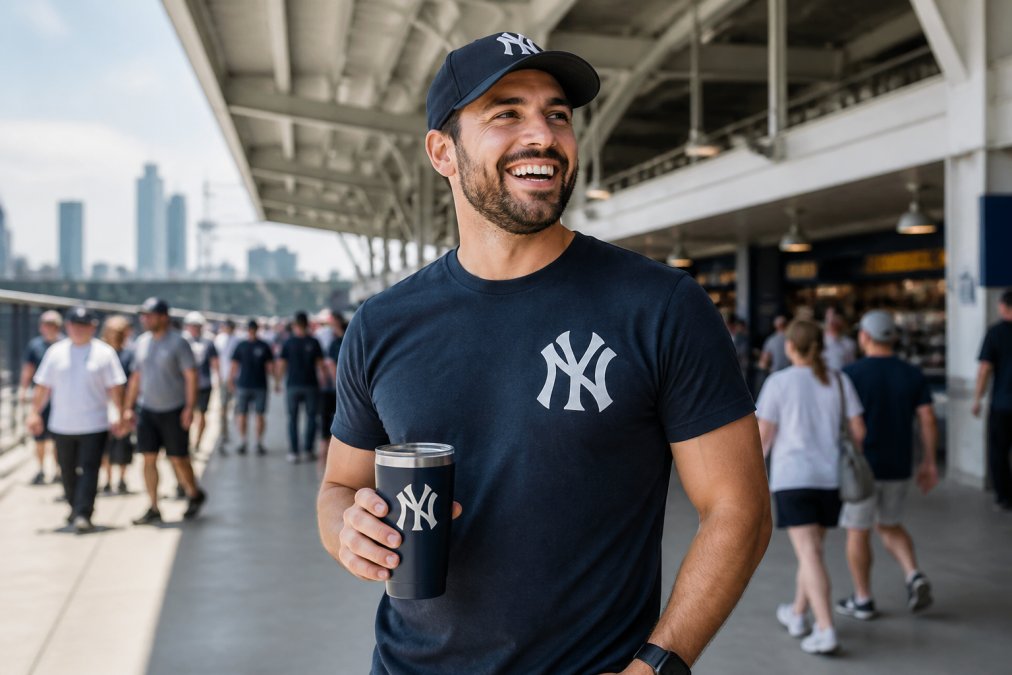
The brands below are ranked on comfort-specific criteria: moisture-wicking performance, ergonomic construction, fit retention after washing, and tactile comfort. SOK Sports carries officially licensed fan gear across MLB, NBA, NFL, NHL, and NCAA teams.
Performance-First Brands
Nike remains the benchmark for comfort in the performance category. Dri-FIT technology moves sweat to the fabric surface for rapid evaporation, and ergonomic seam placement reduces chafe across high-motion zones. Four-way stretch is standard across most training lines.
Under Armour leads on seamless construction and compression technology. The HeatGear line uses a tight-knit synthetic blend that wicks moisture while providing light compression. Flatlock seams throughout reduce irritation, making Under Armour a strong choice for fans with sensitive skin.
Adidas offers the strongest balance between athletic fit and lifestyle versatility. The AEROREADY moisture management system is comparable to Nike's Dri-FIT. Adidas cuts tend to be slightly more relaxed, making them more comfortable for extended sitting.
Lifestyle and Versatility Brands
Champion is underrated for comfort-to-cost performance. Champion's Double Dry fabric wicks moisture and dries quickly. Durability after repeated washing is a consistent strength; garments hold their shape and color longer than many premium competitors.
Patagonia prioritizes sustainable materials and climate-specific layering. Recycled synthetic blends, organic cotton, and Tencel feature across the line. For fans attending outdoor games in variable weather, Patagonia's layering system provides temperature control that single-layer apparel cannot match.
Comfortable Game Day Outfit Ideas for Every Fan
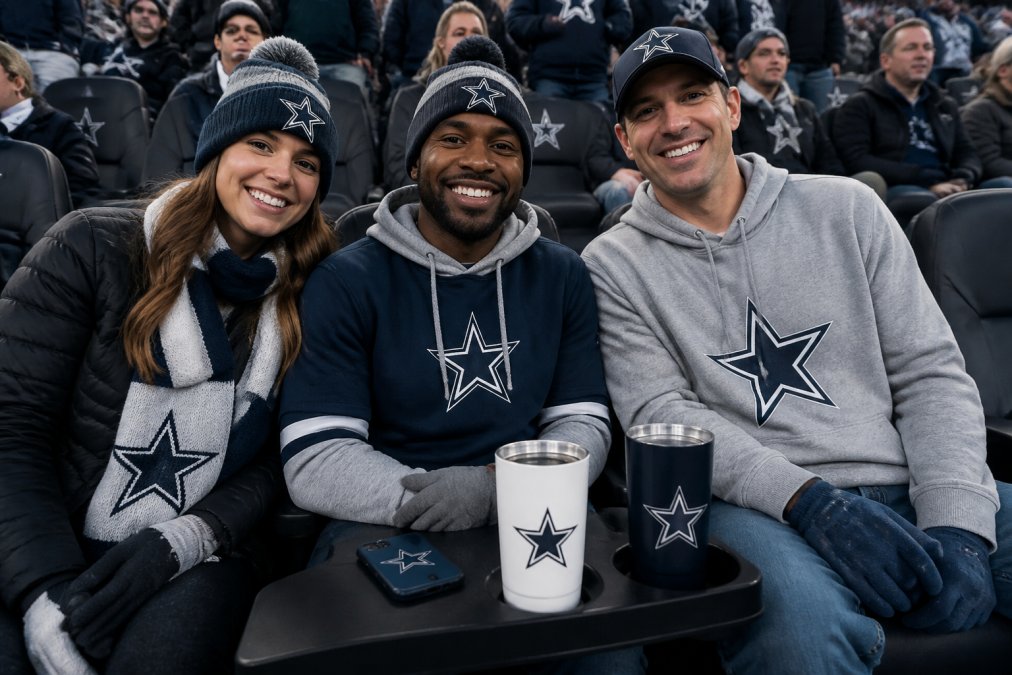
Game day comfort starts with layering strategy. A practical framework includes a moisture-wicking base layer, lightweight mid-layer for warmth, and wind-resistant outer layer. For warm-weather games, collapse this to base layer plus a lightweight team-branded tee in breathable mesh.
Climate-Specific Comfort Layering
Hot and humid climates (summer baseball, outdoor soccer): Prioritize lightweight fabrics under 130 gsm with breathable mesh panels. Light colors reflect heat. Loose athletic fit over compression in high humidity.
Cold and dry climates (winter football, outdoor hockey): Merino wool base layers outperform synthetics because merino retains insulating properties even when damp. Mid-layer fleece with a high gsm (300+) adds significant warmth. Wind-resistant outer shell is non-negotiable above freezing temperatures.
Variable conditions (spring/fall games, indoor arenas): The three-layer framework applies directly. Prioritize packability in the mid and outer layers.
Sensory-Friendly Sports Apparel: A Feature Competitors Overlook
Sensory-friendly apparel is one of the most underserved categories in the sports fan market. For fans with sensory processing differences, standard athletic apparel creates real barriers: scratchy tags, raised seams, tight elastic waistbands, and synthetic fabrics that feel abrasive.
The features that define sensory-friendly construction:
- Tagless design: Heat-transfer or laser-printed labels instead of woven tags
- Flatlock seams throughout: No raised seam ridges anywhere on the garment
- Soft waistband construction: Wide, flat elastic without a hard edge
- Smooth synthetic or bamboo fabric: Avoids rough texture
- Minimal hardware: No metal snaps, rivets, or exposed zipper teeth against the skin
Brands that have invested in sensory-friendly construction include Tommy John (base layers), Woxer (seamless construction), and select Under Armour lines with their seamless HeatGear technology.
For fans shopping for sensory-friendly options, the practical test is simple: turn the garment inside out and run it against the inside of the forearm. Any seam, label, or texture that registers as uncomfortable will be amplified during hours of wear.
Choosing Soft Infant Sports Apparel for Your Little Fan
Infant sports apparel requires an entirely different set of criteria from adult fan gear. Newborn and infant skin is significantly more sensitive than adult skin.
The priority hierarchy for infant sports apparel:
-
Fabric softness and natural fiber content: 100% organic cotton or cotton-bamboo blends are the standard for infant apparel. Synthetic blends common in adult performance apparel are too harsh for newborn skin.
-
Snap and closure design: Envelope necklines and snap closures along the inseam allow for easy diaper changes without pulling fabric over the baby's head repeatedly. Avoid garments with buttons or small decorative elements that can become choking hazards.
-
Tagless construction: Woven labels are a primary irritant for infants. Look for heat-transfer labeling or no labeling at all.
-
Wash durability: Infant apparel is washed far more frequently than adult apparel. Fabrics that maintain softness and color after repeated high-temperature washing are worth the investment.
SOK Sports carries officially licensed infant and baby apparel across MLB, NBA, NFL, NHL, and NCAA teams, including personalized options suitable for baby registry gifts. Team-branded infant onesies and creepers in organic cotton blends are the most practical choice: soft enough for newborn skin, durable enough for the laundry frequency infant care demands.
According to guidance from the American Academy of Pediatrics on infant clothing safety, clothing for infants should avoid loose threads, small decorative elements, and tight elastic that can restrict circulation.
Long-Term Durability and Cost-Per-Wear: The Smart Fan's Approach to Sports Apparel Comfort
Cost-per-wear is the most rational framework for evaluating sports apparel investment:
Cost-per-wear = Purchase price / Number of times worn before replacement
A garment that costs more upfront but lasts three times as long delivers a lower cost-per-wear than a budget alternative that fades or loses elasticity after a season.
The durability factors that most directly affect cost-per-wear:
- Fit retention: Does the fabric maintain its shape after 50+ wash cycles?
- Color fastness: Reactive dye processes hold color significantly longer than pigment-dyed alternatives.
- Seam integrity: Flatlock seams outlast overlocked seams because they distribute stress across a wider surface area.
- Fabric pilling: Tightly knit fabrics with higher denier count resist pilling longer.
A well-constructed piece of sports apparel should maintain its shape, color, and seam integrity through at least 50 wash cycles on a cold, gentle machine cycle. Premium brands like Nike, Under Armour, and Patagonia consistently meet this standard. Champion and Russell Athletic over-deliver relative to their price point.
The practical implication: buying fewer, higher-quality pieces of fan apparel and caring for them correctly (cold wash, air dry, no fabric softener on technical fabrics) delivers better long-term value than replacing budget pieces every season.
| Brand | Durability Tier | Best For | Sensory-Friendly Features |
|---|---|---|---|
| Nike | Premium | High-activity training, versatile fan wear | Tagless options, ergonomic seams |
| Under Armour | Premium | Sensitive skin, compression preference | Seamless construction, flatlock seams |
| Adidas | Premium-Mid | Lifestyle versatility, stadium comfort | Relaxed athletic fit |
| Champion | Mid | Budget-conscious fans, everyday wear | Soft fleece options |
| Patagonia | Premium | Sustainable preference, outdoor games | Organic and recycled materials |
| Gerber | Entry (infant) | Newborns and infants | Organic cotton, tagless, snap closures |
Finding the best sports apparel brands for comfort requires looking past brand recognition and evaluating the technical features that actually determine how a garment performs over time. Moisture-wicking construction, ergonomic seams, sensory-friendly design, and durable fabric blends are the criteria that separate genuinely comfortable apparel from marketing copy. SOK Sports offers officially licensed fan gear across MLB, NBA, NFL, NHL, and NCAA teams, including personalized items, infant apparel, drinkware, phone cases, and fan-cave accessories, so fans can build a complete game day setup without compromising on quality or team pride. Browse the full collection at SOK Sports and find officially licensed gear that holds up as long as your team loyalty does.
Frequently Asked Questions
What features make sports apparel more comfortable for all-day wear?
The biggest comfort drivers are moisture-wicking fabric that pulls sweat away from skin, four-way stretch for full range of motion, and flatlock or ergonomic seams that prevent chafing. Breathable mesh panels improve airflow, while seamless construction reduces friction during movement. Anti-odor technology and quick-dry finishes keep apparel feeling fresh longer. For fans wearing gear all day at a tailgate or indoors watching a game, lightweight fabrics with thermal regulation make the biggest difference in sustained comfort.
How do I choose comfortable sports apparel for game day?
Start with the climate. Cold outdoor games call for moisture-wicking base layers under insulating mid-layers. Hot weather calls for breathable mesh and lightweight synthetic blends that dry fast. Check the fit: athletic fit cuts allow range of motion without excess fabric bunching. Look for gusseted crotch construction in pants and shorts for seated comfort during long games. Fan apparel that doubles as casual everyday wear gives you the most use per piece, which matters when you're building out your game day wardrobe.
What's the most comfortable athletic apparel for hot weather?
Lightweight polyester and nylon blends with moisture-wicking properties perform best in heat. Look for breathable mesh panels, quick-dry finishes, and loose or athletic fit cuts that allow airflow. Natural fibers like cotton feel soft but retain moisture, making them less ideal for high-heat activity. Fabrics with built-in anti-odor technology are especially useful during warm-weather games. Compression-style fits can also help with temperature control by keeping fabric close to skin and reducing friction.
Are there sports apparel options that work well for sensory-sensitive fans?
Yes. Seamless construction eliminates the internal seams that cause irritation for sensory-sensitive wearers. Tagless designs remove another common friction point. Soft natural fibers like bamboo blends or brushed cotton offer tactile comfort without synthetic scratchiness. Four-way stretch fabrics move with the body rather than pulling or constricting. For infants and young children, these same features matter most, look for soft infant sports apparel with no internal tags, flat seams, and gentle elastics at cuffs and waistbands.
How do I evaluate long-term durability when buying fan apparel?
Cost-per-wear is the most practical measure. A higher-priced piece that holds its shape, color, and fit through 100+ washes costs less per use than a cheap item that fades or pills after ten cycles. Check for fit retention in the fabric description, high elastane content helps garments bounce back after stretching. Wash-test performance depends heavily on fabric weight and construction quality. Heavier fabric weights in the 200-300 gsm range for cotton blends typically outlast lighter budget options in regular fan apparel use.